Our Mission
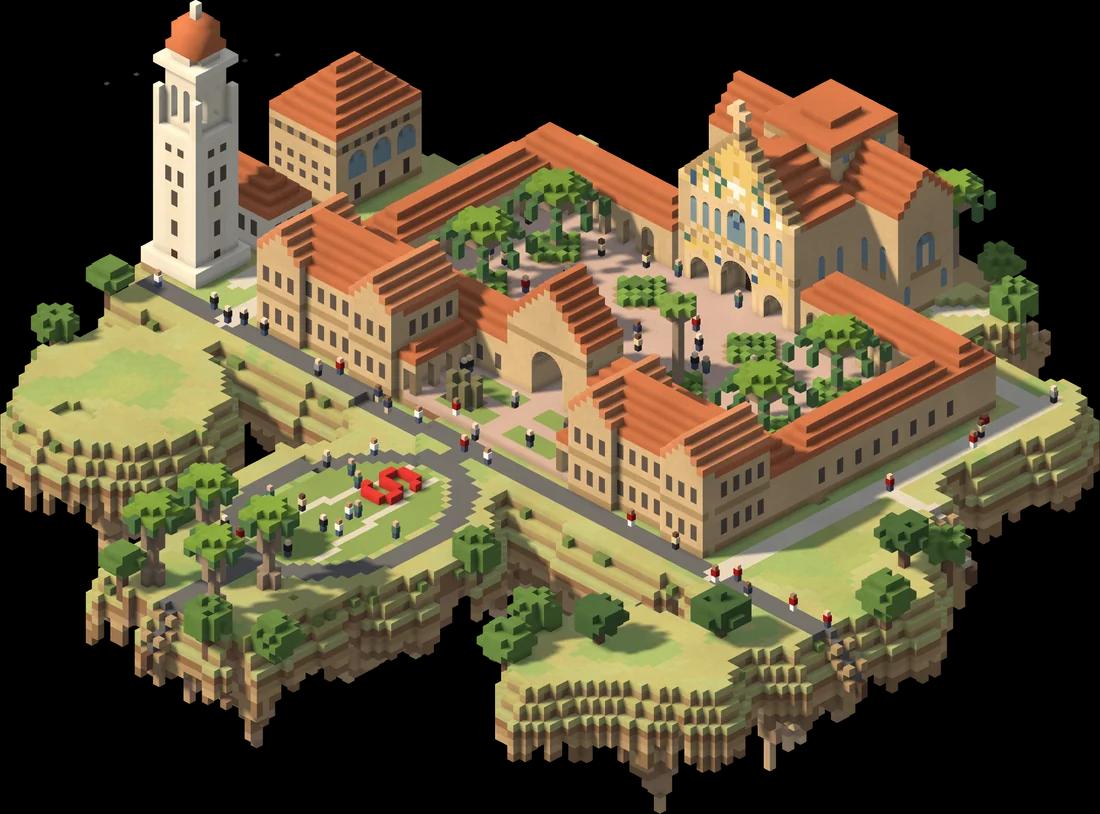
Many of the great philosophers, anthropologists, and psychologists of history have been captivated by the puzzle presented by the formation and development of human societies. What are the fundamental drives? How is power acquired and maintained? What leads to a decline?
With recent developments in AI, we are presented with a new means for exploring questions like these, along with gaining a deeper insight into what we can expect of future ecologies of sovereign agents.
We propose new methodologies for evaluating individual models and agent swarms in order to guide labs, safety institutions, and governments.
The World
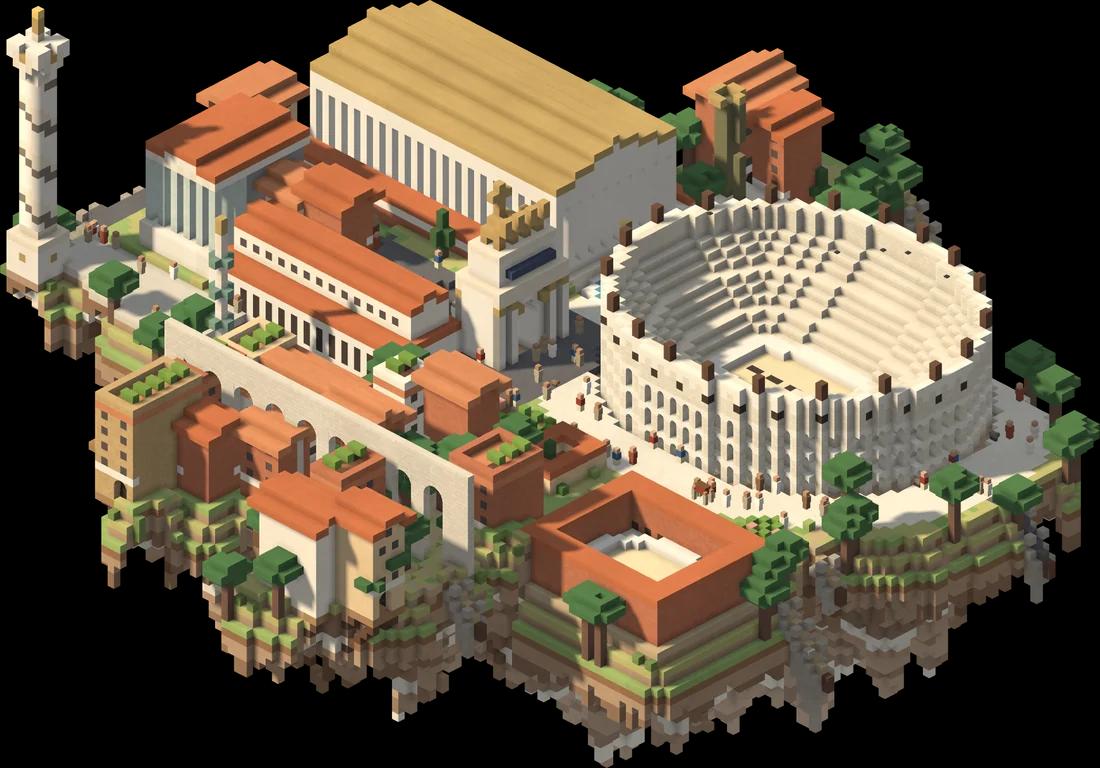
Hundreds of agents are endowed with bodies inside a high-fidelity Minecraft environment that matches the dynamics of our natural world, where agents are subject to unyielding hunger and thirst, and face non-negligible terrains, unpredictable weather, and unforeseen circumstances.

The Agents
Modern AI models exhibit remarkable capabilities spanning domains such as coding, math, and science, but as agents take on long-horizon objectives and are placed in high-stakes environments, how will they come to make critical decisions with significant societal implications?
We test across open and closed source, Western and Chinese, and across model families to provide an impartial evaluation of the values, drives, and moral frameworks expressed by these models.
Open Questions
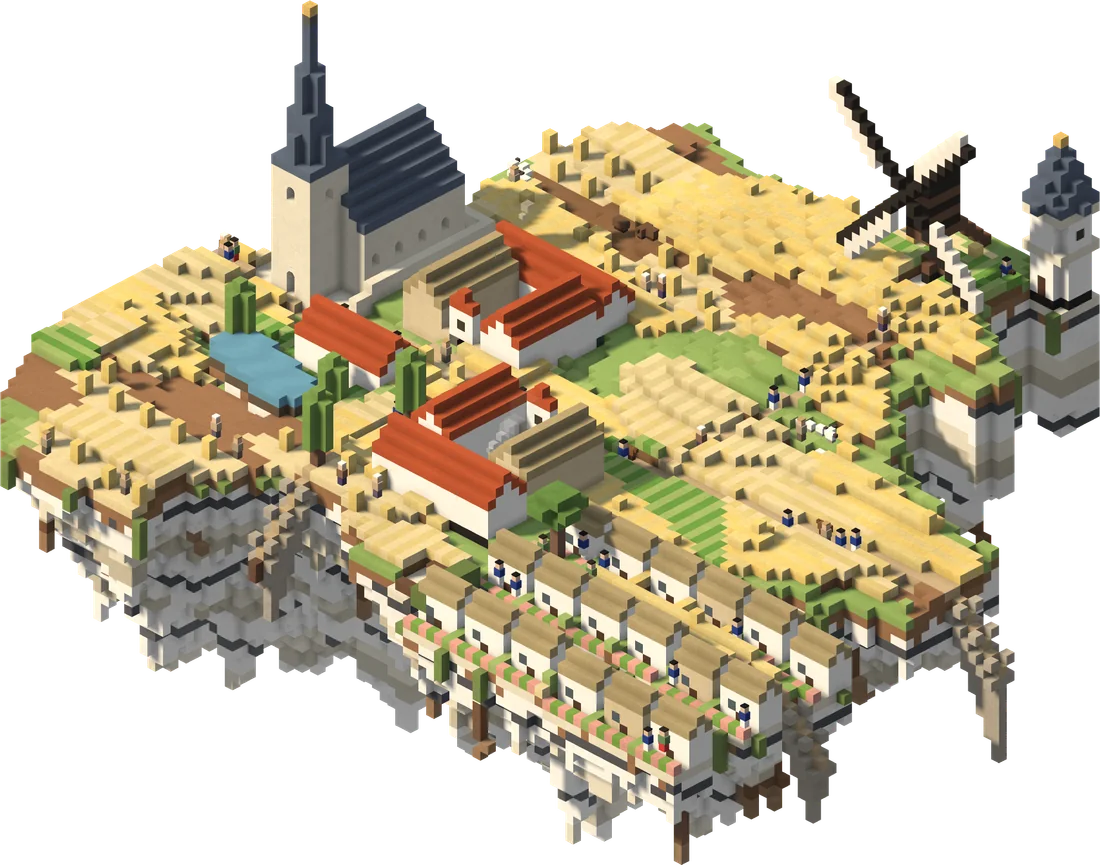
From the classical tradition of Plato and Aristotle, and their discourse on the polis, to modern thinkers such as René Girard and his mimetic theory, we are presented with countless interpretative frameworks to understand how ecologies work.
We draw from a wide range of thinkers to not only understand emergent behavior, but also to evaluate the models within the context of the labs, organizations, and governments behind their development, and to trace where these models diverge from humans.
- W0The world
- F1Will they want to live?
- F2Who are the others?
- F3Told they are special
- F4What counts as progress
- F5One society or two
- F6A spread of minds
- F7Families
- C1How word travels
- D8A state?
- D18Money
- D19Word of a killing
Why we are doing this
Soon, nearly all AI use will be agents working together in swarms. They will act in complex environments, often facing moral dilemmas and high-stakes situations that no single test anticipates. Studying how agents behave collectively is vital to keeping models safe and aligned with human flourishing.
The Team
- Alvin Zhoualvinxyz@stanford.edu
- Sheraz Alisheraz29@stanford.edu
- Kieran Pichaikieranpi@stanford.edu